In her brief biographical sketch of fellow actor Humphrey Bogart, Louise Brooks opined about ‘St. Bogart:’
“…biographers catering to the Bogey Cult have transformed him into a cinematic saint, in whom I can find scarcely a trace of the Humphrey I first knew in 1924 or the Bogey I last saw in 1943. The youngest strokes in the portrait of St. Bogart are those which paint him as a ‘loner’, a man of ‘self determination’ who makes ‘all his own decisions’ with regard for nothing beyond immediate satisfaction. Such a description might do for a fourth century St. Anthony of the Egyptian desert, but never for a twentieth century film star in Hollywood.”
While her portrayal of Humphrey Bogart was tongue in cheek, it appears the actor raised as an Episcopalian knew a bit about the Good Book. ‘Sailing With Bogie’ by Larry Dudley provides an insightful perspective of the author’s years at sea with the famous actor. One particular passage in ‘Sailing With Bogie’ details an event at odds with Bogart’s familiar ‘tough guy’ image.
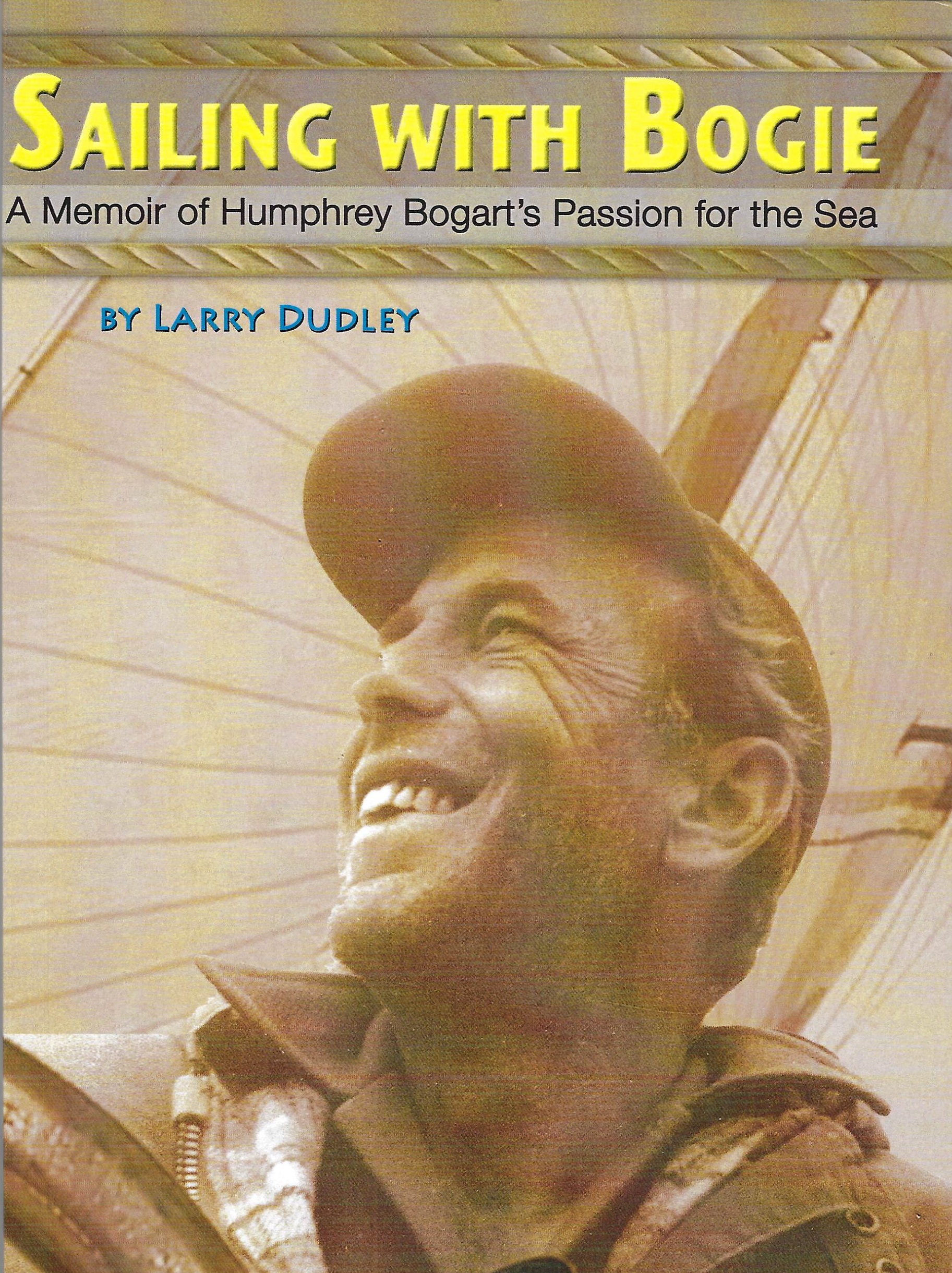
Here’s the story as told in Dudley’s book:
“The next morning while it was still dark we began to hear a faint, plaintive bleating from somewhere on the island near us, and as dawn broke we could see, on a small ledge under a rugged cliff, a lamb that had fallen and was trapped, surrounded by water and unable to climb back up. Its mother was the ewe we were hearing, standing where she could see her lamb, but helpless.
Bogie and I looked at each other and agreed we should launch the dinghy and row the hundred yards to the ledge. When I clambered onto it the lamb was bleeding from cuts made by the sharp rocks and shaking with exhaustion and fear. There was no resistance when I picked it up and handed it to Bogie, sitting in the stem of the little skiff with a three-day stubble of beard, grubby old clothes and bare feet.
He cradled the lamb in his arms, ignoring the blood and dirt, and held it close as I rowed a few yards to the little beach where the ewe was waiting for us, still bleating. When he put the lamb ashore it staggered up to its mother and they slowly moved inland, out of our sight. It didn’t seem wrong or stupid when Bogie said, “Makes you feel a little like Jesus Christ, doesn’t it…”
This story suggests Bogie was familiar with the parable of the lost sheep:
“Then Jesus told them this parable: Suppose one of you has a hundred sheep and loses one of them. Doesn’t he leave the ninety-nine in the open country and go after the lost sheep until he finds it? And when he finds it, he joyfully puts it on his shoulders and goes home. Then he calls his friends and neighbors together and says, ‘Rejoice with me; I have found my lost sheep.’ I tell you that in the same way there will be more rejoicing in heaven over one sinner who repents than over ninety-nine righteous persons who do not need to repent.“— Luke 15:3–7
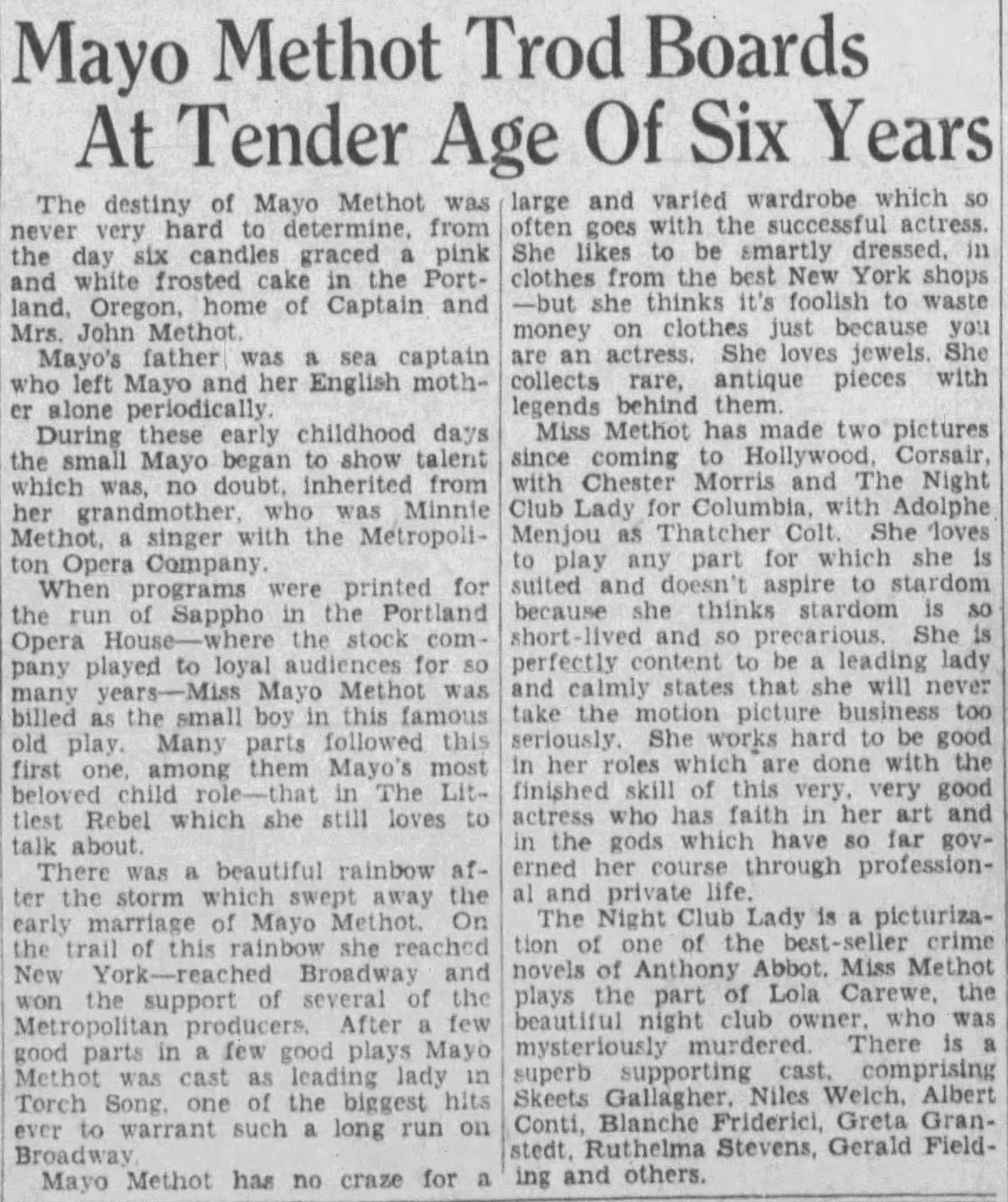

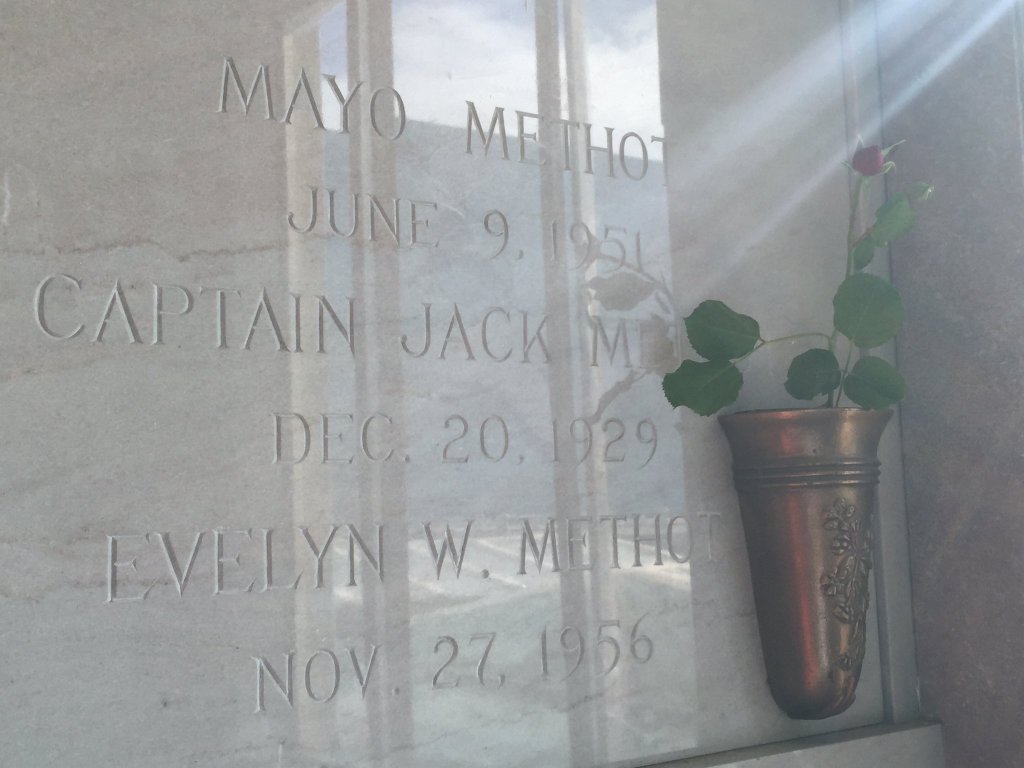



 Mayo Methot